Lapis lazuli looks eye-catching, but for many people, it’s also super important when life feels way too hectic. This blue gemstone has a reputation for its chill, calming qualities, both in ancient times and today. If you’re feeling the weight of daily stress or just looking to find a sense of peace, this stone might be worth checking out. Here’s my deep look into what makes lapis lazuli pretty handy for stress relief, how it’s used, and some practical ways it can help you relax and recharge after a long day.
What Is Lapis Lazuli? Understanding the Basics
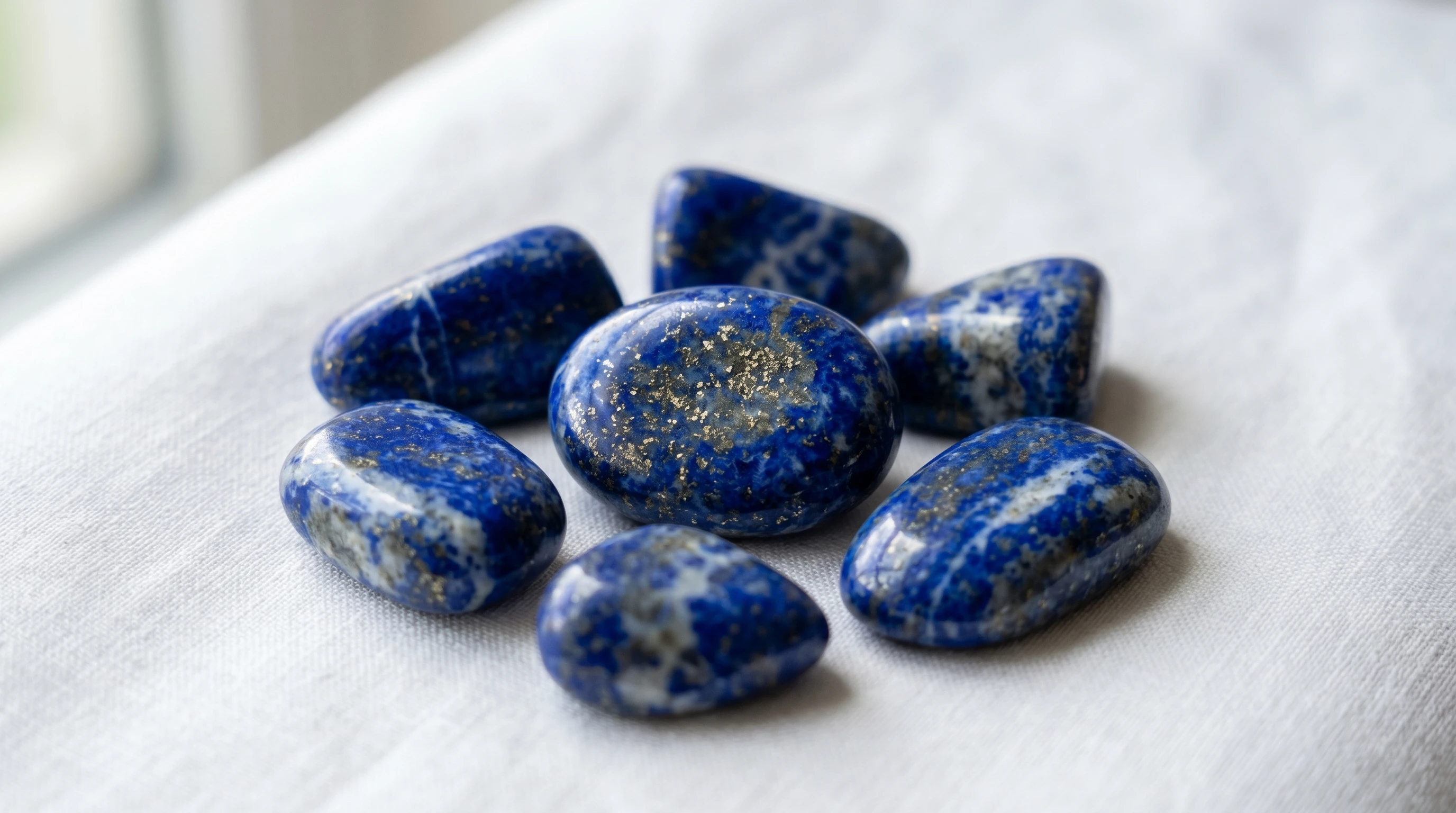
Lapis lazuli’s name comes from Latin and Persian; it roughly translates to “blue stone.” That’s an accurate name, given its vibrant ultramarine color. You’ll spot tiny golden streaks running through it, thanks to a mineral called pyrite. This combo makes each piece totally unique and pretty next-level cool.
People have loved lapis lazuli for centuries. Ancient Egyptian tombs had amulets and carvings made from this gemstone, and it even shows up in burial masks, like King Tutankhamun’s famous mask. Its history includes lots of stories about inner peace and wisdom too. Today, it’s still popular in jewelry, home decor, and, not surprisingly, stress relief routines. Lapis lazuli has been used as a pigment in ancient art and continues to be valued for its bold, distinctive blue, making appearances in paintings and decorations throughout history.
How Lapis Lazuli Is Believed to Help With Stress
Lapis lazuli isn’t a magical fix for life’s problems, but many people use it to support their mental and emotional well-being. The stone’s energy is said to have a grounding effect, helping you slow down when life speeds up.
Here are some of the reasons fans of lapis lazuli recommend it for stress relief:
- Soothing Vibes: The deep blue color is often linked with feelings of calm and clarity. Many people say that holding or wearing lapis helps quiet racing thoughts.
- Support for Communication: It’s known as a “truth stone” in crystal circles, believed to help you express yourself honestly and calmly, something super useful if stress tends to make you bottle things up.
- Encourages Mindfulness: Touching or focusing on a stone during breaks can serve as a physical reminder to take a deep breath and reset your mind.
Some people also mention that lapis lazuli can help with self-reflection. By just pausing to hold the stone, you get a moment to think back and see how your stress is building. This gives you a chance to step up your self-care game before things get overwhelming.
Ways to Use Lapis Lazuli for Stress Relief
Lapis lazuli fits into daily life through simple, practical ways. If you’re just starting, there’s no need for elaborate rituals. I’ve tried a few different ways to use lapis when I’m stressed out, and these are my favorite techniques:
- Pocket Stones: Carrying a small, polished piece in your pocket or bag makes it simple to take stress relief on the go. I like to hold mine during tense moments, focusing on the cool texture and deep blue color.
- Jewelry: Wearing a lapis lazuli bracelet or pendant means you always have it close by. It doubles as a pretty accessory, and you can touch it whenever things get overwhelming.
- Meditation: If you’re into meditation, lapis lazuli can be a nice addition. Place it beside you or hold it in your hand as you focus on breathing deeply. Some folks even use bigger, raw stones as a focal point during meditation sessions.
- Desk Companion: Tucking a stone onto your work desk can help when work gets stressful. Just having a natural, calming object nearby makes a surprising difference in my focus.
Some folks include lapis lazuli in their bath ritual by placing a stone close by—to set a peaceful mood—as part of winding down after a long day.
Lapis Lazuli and Its Place in Mindfulness Practices
Mindfulness is about being present and aware, which isn’t always easy when your mind is stuck in worry mode. Lapis lazuli brings a tactile element to mindfulness, giving you something solid to touch or look at that can anchor your awareness in the moment rather than spinning out over what-ifs.
Here’s what works for me:
- When I notice my stress levels climbing, I pause, hold the stone, and pay attention to how it feels. That switches my focus from mental noise to what my senses experience right now.
- The blue and gold colors give my eyes something soothing to rest on. Sometimes it’s easier to relax when I have that visual cue to breathe and slow down.
- Pairing the stone with deep-breathing exercises gives a boost to the overall calming effect. Even a quick, two-minute break can switch your mood pretty fast.
The point isn’t that lapis lazuli will do all the work for you, but it helps make moments of mindfulness more tangible. If you struggle to stay focused while meditating or breathing, using a stone like lapis offers a physical anchor that’s easy to reach for.
Picking and Caring for Your Lapis Lazuli
If you’re thinking about adding lapis to your routine, you’ll want to know what to look for. Authentic lapis lazuli will have deep, vibrant blue as its main color, often with visible gold flecks or white spots. I always recommend buying from reputable crystal shops or jewelers to make sure you get the real deal and not a dyed imitation.
Lapis can be cleaned with cool water and a soft cloth; harsh chemicals are a no-go since they might damage the stone. When you’re not using it, just keep it away from direct sunlight for long periods to avoid fading. Some people like to set their lapis on a windowsill during a full moon or put it on a bed of rock salt to “refresh” its energy. While this is more about tradition than science, it’s a nice ritual to keep your stone part of your routine.
Other Benefits and Uses of Lapis Lazuli
While stress relief is probably the most popular reason people reach for lapis lazuli, there’s a long list of other uses, too:
- Improved Sleep: Some people tuck lapis under their pillow to help with sleep and dreaming. I’ve noticed holding it during nighttime meditation helps me unwind.
- Creative Boost: Artists and writers sometimes keep lapis nearby for inspiration and clearer thinking. The deep blue supposedly supports creativity and self-expression.
- Spiritual Growth: In different spiritual practices, lapis is treated as a stone that supports wisdom, personal growth, and taking time to look inward. The stone is sometimes used during yoga or journaling sessions to support self-discovery.
There’s not a lot of scientific research backing these benefits, but the psychological aspect (often known as the placebo effect) can still make a difference if it helps you feel calmer or more inspired. Whether you stumble upon lapis in a shop or get a piece as a gift, you might just find a new layer of comfort in your self-care routine.
Common Questions About Lapis Lazuli for Stress Relief
If you’ve seen lapis lazuli online or in a shop but feel unsure about using it, you’re not alone. Here are a few common questions people ask when they’re starting out:
Question: Do I need to “believe” in the healing powers for lapis lazuli to help?
Answer: You don’t have to be super spiritual to benefit from lapis. If the act of pausing, focusing on the stone, and breathing deeply helps you feel better, that’s already a win.
Question: Can lapis lazuli replace other stress relief techniques?
Answer: I use lapis as an extra tool alongside tried and true relaxation techniques, like going for a walk or talking with friends. It’s most helpful when combined with healthy habits.
Question: How often should I use lapis lazuli?
Answer: There’s no fixed amount. I find that keeping lapis on hand throughout the day works best. Some people set aside specific moments, like when waking up or winding down, to include it in their routines.
Real Talk: What Science Says About Lapis Lazuli and Stress
No lab has proven that lapis lazuli itself cures stress, but research supports the benefits of objects that help people relax, focus, or practice mindfulness. Stones like lapis can encourage mini breaks, mindful breathing, or time-outs; all things proven to help lower anxiety. Even if it’s just a placebo, if it fits into your routine in a positive way, it’s adding value.
For more info on how mindfulness and calming rituals help reduce stress, organizations like the American Psychological Association provide helpful resources. Science highlights that relaxation techniques work, whether you use a blue stone, listen to calming music, or follow a meditation app—it’s your intention and actions that matter most.
Tips for Finding a Genuine Lapis Lazuli
When you’re shopping for lapis, here are a few things I watch out for:
- Look for deep blue with tiny flecks of gold (not just a flat blue color).
- Always ask if it’s natural or dyed; real lapis is pricier than imitations.
- Buy from sellers with good reputations, and don’t be afraid to ask questions.
Many reputable online shops and local stores carry good quality lapis. Careful research helps buyers make informed decisions, and connecting with community reviews is a solid way to verify quality. You can also join groups—online forums or social media pages—to share experiences or get advice from experienced collectors. Listening to others’ experiences can make shopping less stressful and help you spot truly eye-catching stones.
Adding Lapis Lazuli Into Your Daily Routine
Bringing lapis lazuli into daily life doesn’t have to be complicated. Start with a simple piece you like, whether that’s a tumbled stone, a bead bracelet, or even a charm for your keychain. Use it during moments when you need a pause, or make it part of a bedtime or morning ritual. There’s no right way to do it; it’s all about what helps you unwind and feel grounded. The blue stone can act as your daily reminder to breathe and live in the moment. If it fits your vibe and brings some calm, then it’s doing its job as a stress reliever. Try pairing it with other self-care activities for an even bigger boost—and let your own preferences lead the way as you build up little routines that work for you.