Lithotherapy, often called crystal healing, has become a popular way for people to support their wellbeing naturally. I first got curious about it after seeing friends reach for stones like amethyst or rose quartz whenever stress hit. Even though scientists debate how much crystals “actually work,” I’ve found using stones as a mindful practice really does make a positive difference when stress ramps up. Here’s a practical guide to using lithotherapy for stress relief—from understanding what it is, to hands-on tips and a few important things to watch for.
What is Lithotherapy & How Can It Help With Stress?
Lithotherapy refers to using crystals and stones with the idea that they carry energy which interacts with your own. While its roots stretch back to ancient traditions, a lot of people now use it to manage stress or give a boost to their emotional balance. It isn’t magic; rather, it’s about creating space for calm, ritual, and reflection—which can actually help lower tension.
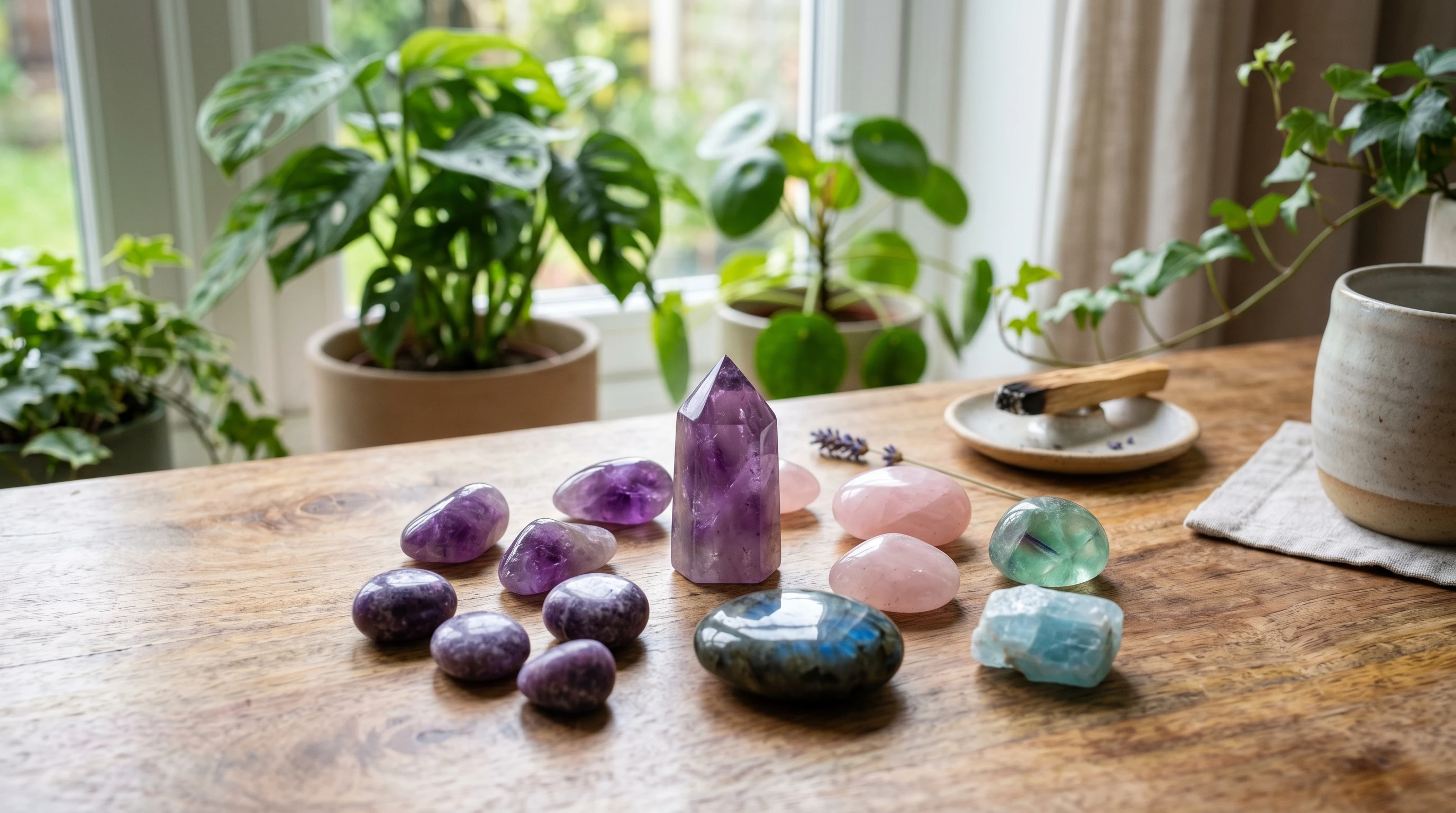
Amethyst, lepidolite, and black tourmaline rank high for those seeking calming vibes. Still, it’s mostly the act of setting aside time for yourself that brings the most benefit. Holding a cool, smooth stone can serve as a useful reminder to pause, breathe, and check in with your feelings.
Getting Started With Lithotherapy for Stress Relief
Picking your first stones can feel daunting. I started with a small pouch of mixed tumbled stones from a local shop. If you’re new, these few steps can help make it easier:
- Choose a calming stone: Amethyst, lepidolite, and bluelace agate are popular for stress soothing.
- Cleanse the crystal: You can rinse your stone in water or set it out in moonlight. I use running water for a moment (check if your crystal is watersafe first).
- Set an intention: Hold your crystal and think about how you’d like to feel: “I want to be calm and peaceful now.”
Once you’ve picked a stone, drop it in your pocket or put it somewhere visible, like your desk or bedside. The point is having a gentle reminder to check in with yourself, rather than expecting magic results.
Top Stones People Use for Stress Relief
Some crystals come up over and over again in conversations about stress and chill vibes. Here are a few favorites and why they’re so well liked:
- Amethyst: This purple stone is linked with peace and clarity. I keep one on my nightstand as a bedtime routine cue.
- Lepidolite: With a silvery-lilac sparkle, lepidolite contains natural lithium—making it a go-to for stress management. Many people carry it through tough workdays.
- Rose Quartz: This pink stone invites self-love and emotional balance, which helps if stress is making you hard on yourself.
- Black Tourmaline: When I need grounding, I grab this hefty stone. Many believe it shields you from negativity.
- Bluelace Agate: Its soft blue swirls carry a reputation for calm during moments of anxiety or panic.
Easy Ways to Use Crystals for Stress Relief
You don’t need to learn complicated rituals to put lithotherapy into your life. Most folks use crystals as a part of self-care, mindfulness, or meditation. Here are some simple ways I’ve tried or seen work for others:
- Hold a stone during meditation: Sit quietly, breathe, and let your stone in hand keep you in the present.
- Create a crystal grid: Arrange stones in a circle, triangle, or simple pattern to focus on calm. It feels a bit like crafting a vision board, only with crystals.
- Carry a worry stone: Smooth, flat stones feel great between the fingers when life is swirling.
- Decorate your workspace: Keep a crystal nearby as a visual clue to slow down or pause for a deep breath.
- Bath rituals: Place a few crystals around the tub for a relaxing vibe—check first which stones are okay near water!
Try out different approaches and see what suits you. Some days I meditate with amethyst; other times, glancing at a stone on my desk is plenty.
Things to Consider Before Starting Lithotherapy
Any alternative wellness habit has do’s and don’ts to get the most from your practice and stay safe:
- Learn about your stones: Not all stones are safe for all uses. Some shouldn’t touch water, and a few—like malachite—can be toxic when handled too much.
- Set realistic expectations: Lithotherapy won’t replace mental health care. I use it as an extra tool, and balance it with things like exercise, rest, and talking to a therapist.
- Look out for fake stones: Sometimes “crystals” are dyed glass or lab made. Want natural? Buy from reputable sellers and ask questions.
- Take care of your collection: They may gather dust or get scratched, so keep them in a pouch and rinse now and then.
Water Safety for Crystals
Not all stones play well with water—some dissolve, rust, or break. Crystals like selenite, malachite, and pyrite should always stay dry. A quick online search of your crystal’s name plus “water safe” helps you out.
Professional Support Is Still Important
It’s great to use crystals as part of your stress relief routine, but please check in with a doctor or therapist if you’re feeling persistently anxious. Think of stones as a piece of the whole puzzle, not a fix-all on their own.
Leveling Up: Advanced Lithotherapy Tips
Once you’re comfy with the basics, try taking your practice up a notch. I’ve found these creative approaches helpful:
Guided meditations: Look for recordings or online videos using crystals—these add structure when your mind is racing.
Pair with journaling: Write down feelings after crystal sessions and note which stones help during specific situations. Patterns might show up over time.
Cleansing and charging: People like to “clear” their stones with moonlight, sunlight, or sage. I use moonlight occasionally. It’s nice as a bedtime ritual, even if you just appreciate the symbolism.
Crystal pouches and body layouts: Carrying a few stones together or placing them on your body while resting can add variety and make you feel more connected to your practice.
Remember, there’s no single right way. Follow the practices that feel calming and helpful for you.
Practical Uses: Real-World Lithotherapy For Everyday Stress
During stressful times, I’ve watched people use crystals in creative ways. A teacher I know keeps a rose quartz on her desk to remind herself to stay gentle during parent-teacher meetings. Others keep black tourmaline in their bags to ground themselves during bumpy subway rides.
- At work: Carry a small stone in your pocket for reassurance before a challenging meeting.
- Before bed: Leave amethyst or lepidolite on your pillow or nightstand as part of a bedtime wind-down ritual.
- During tough talks: Grip a calming stone when anxious; it works as a discreet fidget to ease nerves.
- In the car: Attach a tiny crystal to your keychain or store one in a cup holder for your commute.
Common Lithotherapy Questions
Does lithotherapy “work” for everyone?
People have unique experiences here. Some sense instant calm. For others, it’s mainly about building soothing rituals, not the stone’s energy itself.
Can I use any rock, or should it be specific?
Plenty of folks use crystals with a traditional meaning, but even a pebble collected on a calming walk can serve as your “reminder rock.”
What’s the best way to store crystals?
A pouch or small dish works well to keep them safe. Sun can fade certain stones, so check if yours are sensitive before leaving them in direct light.
Final Thoughts
Lithotherapy is a relaxed, personal way to support stress relief at home or on the go. I like that it’s flexible—there are no strict rules, just gentle prompts to slow down and take a breath. Whether you believe in stone energy or just want a daily reminder to pause, using crystals can add a bit of calm (and fun) to your routine. For best results, always match crystal habits with professional help and other proven stress-busters.