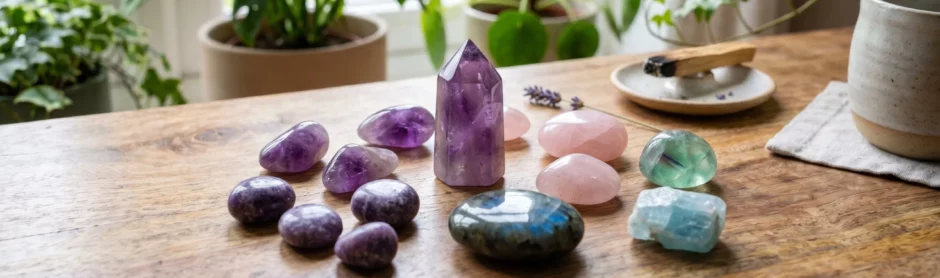
Lithotherapy has picked up steam in wellness and holistic circles lately, but it’s an idea that stretches back centuries. If you’ve spotted people wearing gemstone jewelry and mentioning the energy of stones, you’ve already brushed up against the basics of lithotherapy. In this guide, I’ll break down what lithotherapy is, how it works, what to expect if you want to try it, and some tips for getting the most from this practice.
What Exactly Is Lithotherapy?
Lithotherapy is a form of alternative therapy built on the idea that minerals and crystals hold vibrations or energies that can give a boost to health and wellbeing. The name comes from the Greek word “lithos,” meaning stone. Some people call it crystal healing, but lithotherapy covers all kinds of natural stones, not just crystals. The practice has deep roots; ancient Egyptians, Greeks, and Romans used stones for protection or healing, and similar concepts can be tracked down in traditional Chinese and Indian medicine as well.
The core idea behind lithotherapy is straightforward: every stone has unique properties linked to its color, mineral content, or structure. By placing these stones on or near your body, wearing them, or carrying them with you, it’s believed you can influence the flow of energy in your life and, as a result, support physical or emotional health.
How Lithotherapy Works (and How People Use It)
There’s no single “correct” method for practicing lithotherapy, as a lot comes down to personal preference and intuition. Here are some common ways people use stones:
- Wearing Stones as Jewelry: Many folks put on necklaces, bracelets, or rings containing particular stones they want to spend the day with.
- Placing Stones on the Body: During a session (solo or with a practitioner), stones may be placed on certain energy points or chakras to help restore balance. This practice is popular in some spa treatments and reiki sessions too.
- Keeping Stones Nearby: You might see stones in pockets, under pillows, on desks, or scattered around the house to keep their energies close.
- Meditating with Stones: Holding a stone during meditation is believed to amplify intentions or promote focus and calmness.
Some lithotherapists put together crystal grids, which are arrangements of stones set up for a particular purpose, like better sleep or less stress. While there’s no scientific proof these techniques have a measurable physical effect, many people mention feeling more centered, peaceful, or simply comforted by these rituals.
Popular Stones and Their Purported Benefits
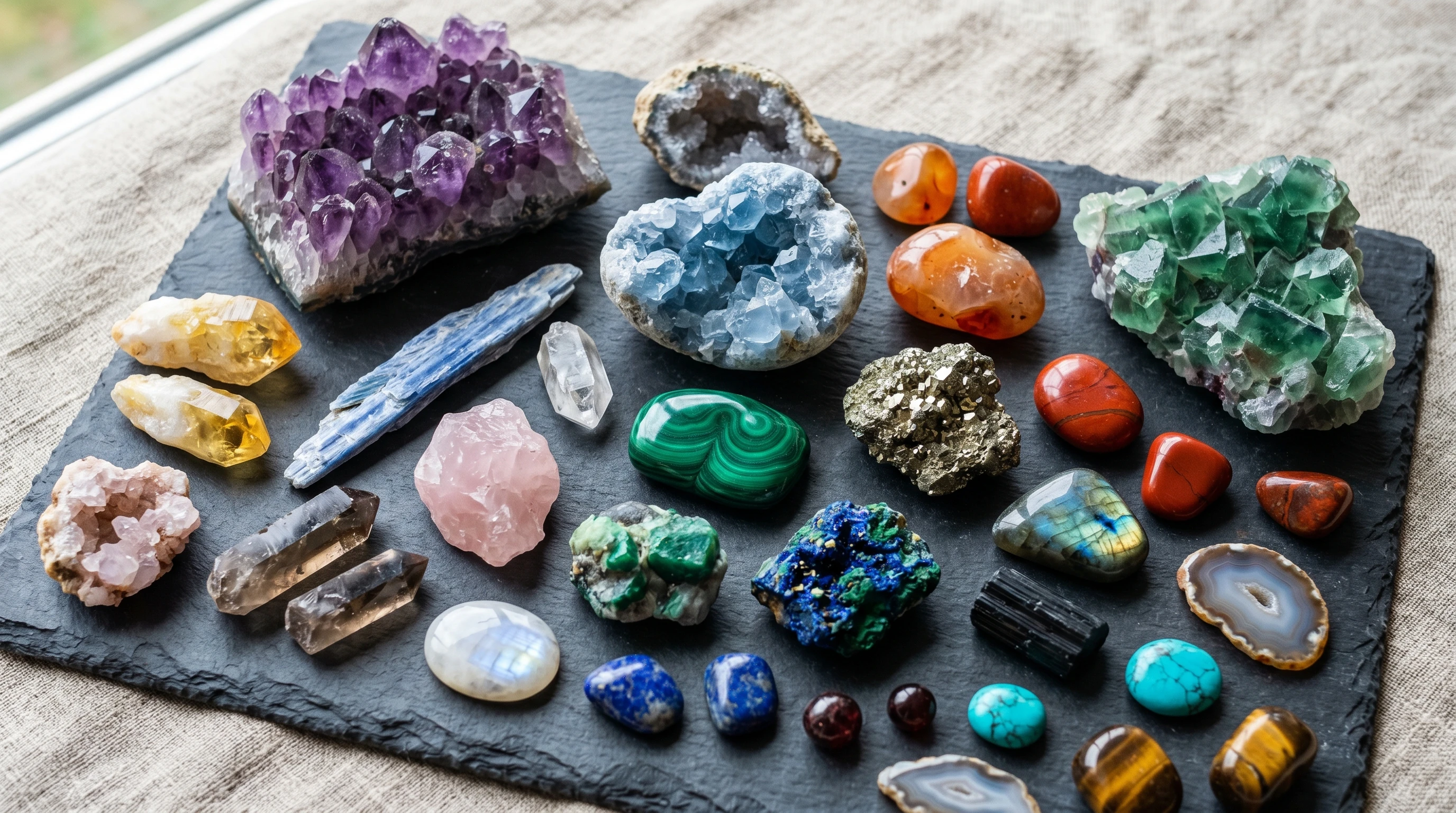
Hundreds of stones are used in lithotherapy, but a handful come up time and again. Here are some regular favorites:
- Amethyst: Often said to foster relaxation, spiritual growth, and protection from negative energy.
- Rose Quartz: Believed to support love, compassion, and emotional healing.
- Citrine: Tied to abundance, confidence, and an energy boost.
- Obsidian: Used for grounding, protection, and promoting personal growth during tough periods.
- Lapis Lazuli: Associated with wisdom, truth, and deep communication.
- Clear Quartz: Regarded as an allpurpose stone thought to boost the effects of other stones or intentions.
Each stone carries its own stories and history. It’s worth checking out a super detailed guide if a certain stone grabs your attention. Some people pick stones based on birth month, zodiac sign, or just whichever stone pulls at them visually.
Simple Ways to Start Using Stones
If you’re new to lithotherapy, jumping in is pretty simple. Here are beginner tips:
- Pick Stones That Appeal to You: Trust your gut. Sometimes, a stone just “feels right” when you see or touch it.
- Cleanse Your Stones: Many suggest “cleansing” stones by rinsing under water, leaving in moonlight or sunlight (double-check which stones are safe for this), or smudging with sage. It’s about setting your intention.
- Set Your Intention: Before using a stone—whether you’re meditating with it or just carrying it—think about what you want. This adds meaning, even if the mystical side isn’t totally your thing.
- Carry or Wear Them: Simply put a stone in a pouch or wear as jewelry to keep it with you.
It’s helpful to jot down how you feel or any changes you notice while working with different stones. Your experience is unique, and these notes can help you decide what really works for you.
Practical Considerations Before Trying Lithotherapy
With any wellness trend, it’s important to keep things grounded:
- No Guaranteed Outcomes: Benefits are often subtle—think more calm or lighter moods. There’s no scientific proof that crystals cure illness or replace medical care.
- Sourcing Real Stones: Buy from reputable spots. Some stones are dyed, labmade, or misnamed, and prices can be all over the map. If origin matters, check for details about where the stone came from and how it’s been handled.
- Combine with Other SelfCare: Lithotherapy is often just one piece of a broader routine that includes good sleep, exercise, nutritious food, and fresh air.
- Watch Out for Exaggerated Claims: If someone says a pricey rock will solve everything, be skeptical. Trust your judgment and dig into research before spending big money.
Remember, some stones aren’t safe to handle or wear longterm because of toxic minerals (malachite, for instance, shouldn’t go in water). Doing a little homework or talking to a trustworthy expert can help you spot any possible problems.
Challenges and Pitfalls in Lithotherapy
Like most trending wellness practices, lithotherapy brings its own set of challenges. Here are a few things to watch for:
- Too Many Choices: With so many stones out there, it’s easy to feel overwhelmed and want them all. Start with just a few and see what sticks.
- Believing in Magic Fixes: It’s tempting to hope for quick changes. Instead, enjoy the routine and any calm or focus you feel.
- Mixing Stones: Some guides mention which stones “work together,” but experiment and keep track of what feels right for you.
- Care and Storage: Stones can be fragile, scratched, or fade in sunlight. Keep favorites in a soft pouch or a protected spot.
For Sensitive Folks
If you’re sensitive to energy, you might notice differences in how certain stones feel. While science doesn’t support this, many people report a mood boost or a newfound sense of steadiness just by seeing or holding particular crystals.
Advanced Tips to Get More from Lithotherapy
If you’ve tried the basics and found a few favorites, here are ways to take this adventure up a notch:
Create a Meditation Space: Set up a spot with calming stones, a candle, and maybe some soft music for an inviting ritual.
Build a Crystal Grid: Arrange stones in a small pattern to focus on a goal—like sleep or creativity. Take a photo as a visual reminder.
Keep a Journal: Track which stones you use and any changes in mood, sleep, or mindset. Over time, you’ll spot what serves you best.
Switch with the Seasons: Try warmer stones in winter for comfort, and lighter, cooler colors in summer for refreshment.
Common Questions About Lithotherapy
Check out quick answers to common things folks ask about using stones for wellbeing:
How do I choose the right stone?
Go with what calls to you visually or by touch. Tons of guides match stones to personality traits, but your personal pull is a great indicator.
Do I need to “charge” my stones?
Some prefer to recharge crystals in sunlight, moonlight, or on salt overnight. No evidence backs this up, but it’s a meaningful ritual if you like it.
Can I use stones alongside regular medicine?
Definitely. Stones can be thoughtful tools for selfreflection or rituals, but they’re not a replacement for medical care or counseling.
Takeaway: Getting Started with Lithotherapy
Lithotherapy is about finding your own connection with stones and building rituals into daily life. If you’re interested, picking out a few stones and paying attention to your mood or energy can be a fun, lowpressure way to try intentional living and mindfulness. Even if you just love the look of these natural treasures, they can foster calm and help you appreciate beauty in the world.
Whether you’re into the stories, history behind the stones, or want to see what the fuss is about, lithotherapy is adaptable, straightforward, and totally up to you. Explore at your pace—there’s no single path, just stones, exploration, and the nudge to notice how you feel.